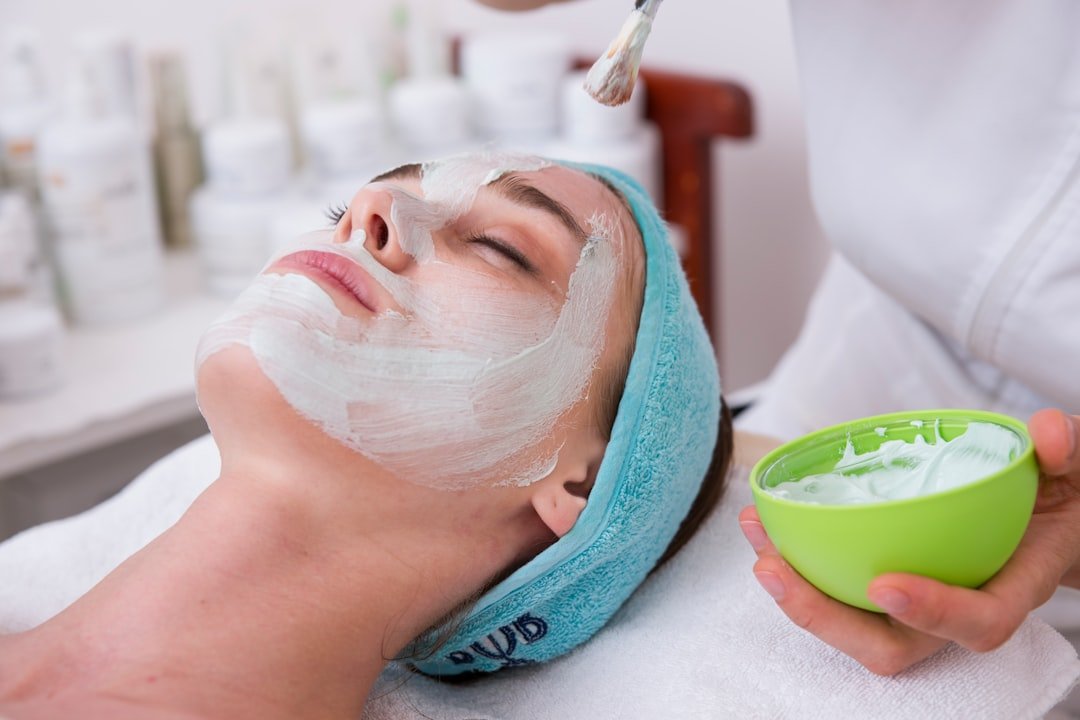
Easy Skin Care Treatments You Can Do at Home
Good skin care doesn’t require expensive treatments or a cabinet full of serums. With a few simple habits, safe tools and reliable products, you can build an effective at-home routine that improves texture, hydration and clarity over time.
Below are practical, easy-to-follow treatments you can do in your bathroom or kitchen, plus a short checklist and answers to common questions. These methods focus on gentle, low-risk approaches and link to items and categories that can help you get started.
1. Create a tidy home-spa setup
Start by organising a small area with clean towels, a soft washcloth and a tray for products. Comfortable basics make consistent routines easier. If you want ready-made options for bathroom and linen essentials, check household collections like Home Essentials for soft towels, storage and organisers that keep your routine simple and efficient.
2. Gentle daily cleansing
Effective cleansing removes oil, sweat and environmental grime without stripping the skin. Aim for twice daily: morning and evening. Use a gentle, pH-balanced cleanser and lukewarm water. For on-the-go refreshes or when you’re travelling, a soft, alcohol-free cleansing wipe can be useful—look for options such as MOLLIS Travel Toilet Wipes that are gentle and convenient.
3. Safe exfoliation: chemical and physical methods
Exfoliation removes dead skin cells and helps products absorb better. Choose one method and keep frequency low:
- Chemical exfoliants: mild AHA (glycolic/lactic) or BHA (salicylic) once or twice weekly, depending on sensitivity.
- Physical exfoliation: a soft scrub or gentle brush no more than once weekly to avoid irritation.
- Dermaplaning/shaving: for removing fine facial hair and surface cells, use a clean, single-blade razor with caution. If you prefer a proven option for facial shaving, consider reliable razor sets like Harry’s Razors for Men, and always use light, steady strokes on clean skin.
4. Hydration and barrier repair
Hydration is central to healthy-looking skin. Apply a lightweight serum (hyaluronic acid) to damp skin, followed by a moisturizer suited to your skin type. If your skin is dry or seasonal, consider an occlusive layer (like a balm or petrolatum) at night to lock in moisture.
For product selection and to explore cleansers, serums and moisturisers across reputable brands, browse categories such as Health & Beauty to compare ingredient profiles and find options matched to your needs.
5. DIY face masks and spot treatments from the kitchen
Simple ingredients can make effective masks when used properly. Always patch-test first.
- Oatmeal mask (calming): blend oats with warm water or yogurt, apply for 10–15 minutes.
- Honey mask (hydrating, soothing): raw honey left on for 10–15 minutes.
- Clay mask (oil control): mix cosmetic clay with water or apple cider vinegar for a short treatment—avoid over-drying.
For mixing tools, bowls and small utensils that make at-home masks easier and cleaner, check practical kitchen gear under Kitchen Essentials.
6. Targeted care: spots, blackheads and tool hygiene
For occasional pimples, keep routines simple: gentle cleansing, a non-comedogenic moisturizer and a spot product with benzoyl peroxide or salicylic acid. Avoid aggressive picking—if you must extract, sterilise tools and hands first.
To sterilise metal tools, you can clean them with soap, then wipe with 70% isopropyl alcohol or use household antiseptics for tool care. For general household antiseptic needs (e.g., cleaning tools or small non-critical surfaces), products such as Hydrogen Peroxide 3% are commonly used; follow product instructions and avoid prolonged or concentrated application to broken skin.
7. Hair removal and slowing regrowth
If you remove facial or body hair at home, choose a method that suits your comfort and skin sensitivity: trimming, shaving, waxing or depilatory creams. Aftercare—cooling and moisturising—reduces irritation.
For products aimed at reducing regrowth after hair removal, some topical sprays and inhibitors can help when used as directed. One example available for consideration is Skin Doctors Hair No More Inhibitor Spray. Always read instructions and patch-test before applying to larger areas.
8. Lifestyle and environment for healthier skin
Skin health improves with basic lifestyle steps: adequate sleep, hydration, a balanced diet rich in antioxidants, and sun protection. Indoor environment matters too—clean air and balanced humidity protect skin barrier function.
Adding houseplants can increase humidity and aesthetics; low-maintenance options like the Spathiphyllum Peace Lily Indoor Plant are popular for living spaces and may help create a calming, skin-friendly environment.
Quick checklist: At-home skin care essentials
- Gentle cleanser (AM and PM)
- Mild exfoliant (1–2x weekly)
- Hydrating serum + suitable moisturizer
- Broad-spectrum SPF (daily)
- Soft towels and a clean wash area
- Clean tools and an antiseptic for tool care
- Optional: travel wipes for on-the-go cleansing
Conclusion
Simple, regular at-home treatments—cleanse, exfoliate gently, hydrate and protect—go a long way. Build a routine you can maintain, use appropriate products and tools, and prioritise skin barrier health over aggressive short-term fixes. Start small, be consistent, and adjust based on how your skin responds.
FAQ
Q: How often should I exfoliate?
A: Most people benefit from exfoliating once or twice a week. Sensitive skin should start with once weekly or less and monitor for irritation.
Q: Can I use kitchen ingredients for masks every day?
A: No. Natural ingredients can still irritate. Use gentle masks 1–2 times weekly and always patch-test first.
Q: Are travel wipes safe for facial use?
A: Use alcohol-free, fragrance-free wipes labeled for sensitive skin. They’re fine for occasional refreshes but shouldn’t replace regular cleansing routines.
Q: How do I keep tools hygienic?
A: Wash tools with soap and water, then disinfect with an appropriate antiseptic or alcohol. Store dry and separate to avoid contamination.
Q: When should I see a professional?
A: If you experience persistent inflammation, severe acne, unusual rashes, or wounds that won’t heal, consult a dermatologist for assessment and treatment options.
Products Featured in This Article

Skin Doctors Hair No More Inhibitor…
HAIR GROWTH INHIBITOR: Specifically designed to discourage unwanted hair from growing back, following any method of…

Spathiphyllum Peace Lily Indoor Pla…
AIR-PURIFYING WONDER: Stands out as a natural air purifier, removing indoor pollutants for healthier living spaces…

MOLLIS Travel Toilet Wipes Flushabl…
Travel Size Flushable Wipes: MOLLIS travel flushable Toilet wipes come in ultra-compact mini packs designed specifically…

Hydrogen Peroxide 3%, 10 Vols All-P…
A Powerful All-Purpose Solution: Handson Care Hydrogen Peroxide 3% delivers potent cleaning action, making it ideal…