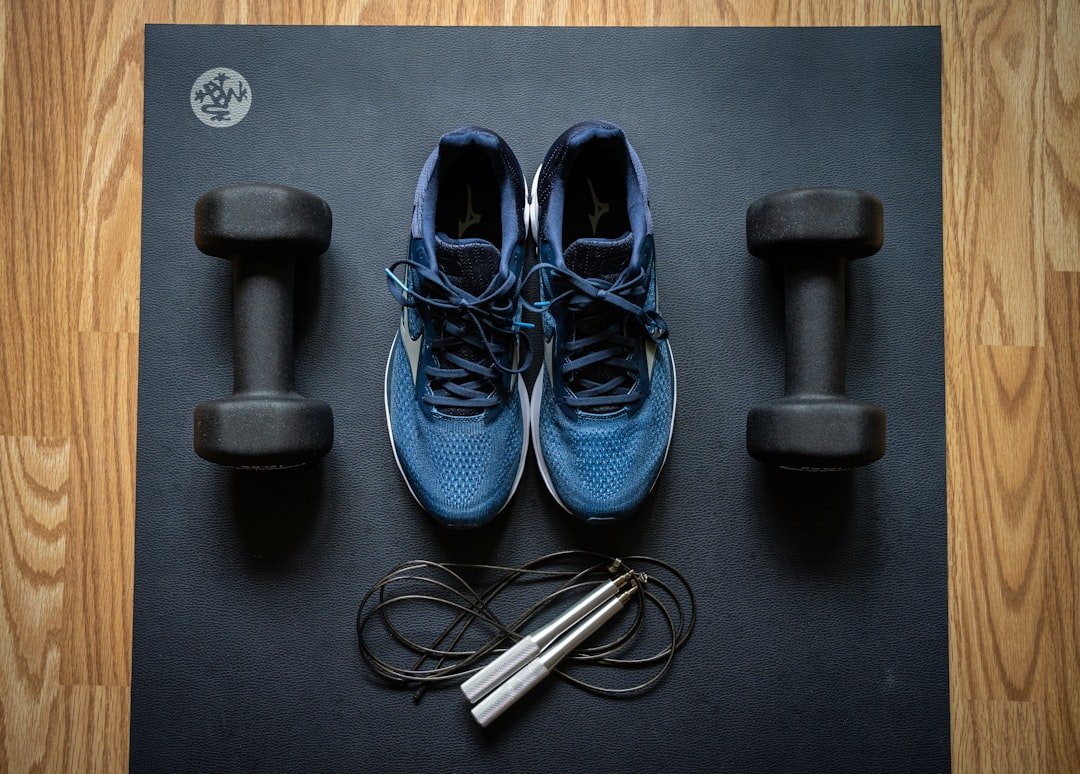
Simple Fitness Accessories That Support Better Posture
Good posture is more than aesthetics — it reduces strain, improves breathing, and supports long-term joint health. You don’t need a complex routine or expensive equipment to start improving posture; a few well-chosen accessories and consistent habits can make a measurable difference.
Below are practical, easy-to-adopt accessories and how to use them effectively. If you want curated picks to begin with, explore our Top Finds for convenient options and inspiration.
Ergonomic Chairs and Lumbar Support Cushions
An ergonomic chair or a quality lumbar cushion restores the natural curve of the lower back while you sit, taking pressure off spinal discs and encouraging a neutral pelvis. Look for cushions with medium-firm foam and a contoured shape that supports the lumbar spine rather than forcing it. If a new chair isn’t in the budget, a small lumbar roll or cushion is a cost-effective improvement.
For home or office seating options and supportive furniture accessories, our Home & Living category is a good place to compare styles and sizes that fit your seat.
Seat Wedges and Balance Cushions
Seat wedges tilt the pelvis slightly forward, which encourages an upright spine without active effort. Balance cushions (inflatable or foam) introduce micro-movements that engage core muscles while you sit. Use them on dining chairs, office chairs, or even on a stool during short work sessions to reduce slumping.
For compact, everyday cushions and small seating aids that fit multiple rooms, check relevant products in our Home Essentials collection.
Posture Braces and Wearable Supports
Posture braces gently remind the shoulders and upper back to stay aligned. They’re most effective when used for short periods (30–60 minutes) to retrain muscles, combined with strengthening exercises. Choose a brace that is adjustable, breathable, and comfortable enough for frequent wear without causing dependency.
Subtle wearable supports can also be found among lifestyle and accessory items; browse our Fashion & Accessories selection for simple, low-profile designs that work under or over clothing.
Resistance Bands and Strengthening Tools
Improving posture requires stronger upper-back, shoulder, and core muscles. Resistance bands are inexpensive, portable, and ideal for exercises like band pull-aparts, rows, and scapular retractions that target postural muscles. A lightweight set with varying tensions lets you progress without bulky equipment.
For fitness-related gear and durable training tools, take a look in our Sports & Outdoors section for options that suit home or gym use.
Foam Rollers, Massage Balls, and Mobility Tools
Tight chest and thoracic muscles pull the shoulders forward; foam rolling and targeted self-massage can release those tight areas and improve mobility. Use a medium-density foam roller across the upper back (careful to avoid the neck) and a lacrosse or massage ball to work the pecs and shoulder blade areas.
For recovery, mobility, and self-care items that complement your posture routine, check products in the Health & Beauty category — many include rollers, massage tools, and related accessories.
Smart Posture Trainers and Simple Tech Aids
Wearable posture trainers and phone apps provide gentle vibration reminders or real-time feedback when you slouch. These devices are excellent for people who respond well to timely cues. Pair tech reminders with short corrective sessions — for example, three minutes of focused scapular squeezes after each reminder — to turn reminders into lasting strength and habit change.
Explore compact gadgets and electronics that support tracking and reminders in our Electronics collection.
Travel-Friendly Posture Aids
When you travel, posture slips easily: cramped airplane seats, long drives, and unfamiliar chairs all encourage rounding. A small inflatable lumbar support, compact neck pillow, or lightweight posture band can make travel sitting more supportive. These tools are portable and inexpensive, so you can maintain alignment on the go.
For compact, travel-oriented supports and accessories built for mobility, browse our Travel picks.
How to Choose Accessories That Work for You
Start with one or two items that address your biggest problem — slumped shoulders, lower back pain, or weak upper back — and use them consistently for 2–4 weeks while adding a simple exercise routine. Prioritize:
- Comfort: If it’s uncomfortable, you won’t use it.
- Adjustability: One size rarely fits all; adjustable features allow fine-tuning.
- Portability: If you work in multiple locations, portable tools increase adherence.
- Complementary exercises: Tools work best when paired with strengthening and mobility work.
Quick Checklist
- Assess your primary posture challenge (neck, shoulders, lower back).
- Choose 1–2 accessories that directly address that area (lumbar cushion, brace, bands).
- Use devices short-term to build awareness and pair them with 10–15 minutes of daily exercises.
- Reassess after 2–4 weeks and adjust support or add progression tools (stronger bands, more stable cushions).
- Include mobility work (foam rolling, thoracic extensions) 2–3 times per week.
FAQ
- How long should I wear a posture brace each day?
Start with 20–30 minutes once or twice a day. Use it as a reminder rather than a crutch, and gradually do more active strengthening to reduce reliance on the brace.
- Will a lumbar cushion fix my lower-back pain?
A cushion can reduce strain by restoring lumbar support, but combine it with core-strengthening and movement to address underlying weakness.
- Can small accessories really change posture long-term?
Yes, when used consistently with corrective exercises. Accessories create awareness and temporary support while you build the muscle strength and mobility needed for sustained posture change.
- Are foam rollers safe for the neck?
Avoid rolling directly on the cervical spine. Use targeted mobility exercises and soft massage tools around the neck under guidance; focus foam rolling on the thoracic spine instead.
- Which accessory should I buy first?
Identify your biggest daily posture challenge. For prolonged sitting, prioritize a lumbar cushion or seat wedge. For rounded shoulders, start with resistance bands and a short posture brace for cues.
Conclusion
Simple accessories — a lumbar cushion, a seat wedge, resistance bands, a foam roller, or a smart trainer — can make consistent posture improvement manageable. Start small: choose one or two supportive tools, pair them with brief targeted exercises, and reassess in a few weeks. Consistency and gradual progression are the most reliable paths to better posture.